

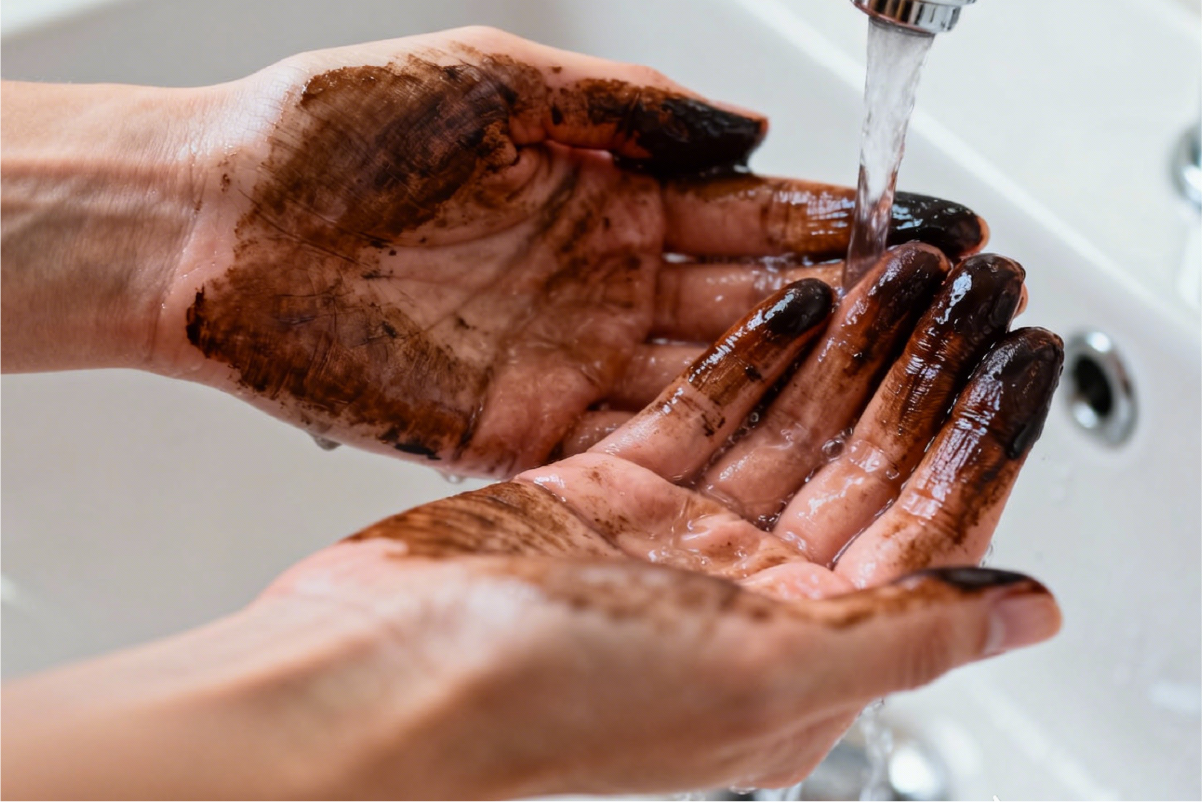
Dyeing your hair at home is more popular than ever, but one common problem remains: hair dye gets on your hands. Whether you're touching up your roots, covering gray hair, or trying a bold new hair color, dye-covered hands make the whole process look messy and unprofessional.
The good news? Hair dye on your hands is very common, and in most cases, it's easy to remove if you know the right methods. In this comprehensive guide, we'll cover how to remove hair dye from your hands, the best removal methods for different skin types, what not to do, and how to prevent future re-dyeing.
Why Does Hair Dye So Easily Get on Your Hands?
Hair dye easily gets on your hands because it's designed to adhere firmly to the hair, and human skin has similar properties to hair. Both hair and skin contain a protein called keratin, which allows the dye pigment to adhere to the skin's surface. When hair dye comes into contact with your hands, especially on dry or porous skin, the color quickly penetrates the skin's surface. Permanent dark hair dyes are more likely to stain hands because they are designed for long-lasting color and contain chemicals that help the color penetrate deeply. Since the skin on the hands is frequently exposed and has many fine lines and folds, the dye tends to accumulate in these areas, making it more noticeable.
Quick Action: The Best First Step After Hair Dye Gets on Your Hands
The most important step after getting hair dye on your hands is to deal with it as soon as possible. Freshly applied hair dye is easier to remove before it oxidizes and sets on the skin. As soon as you find hair dye on your hands, immediately rinse with warm water and use regular hand soap. Thoroughly scrub your hands, paying special attention to areas prone to dye buildup such as fingers, knuckles, nails, and cuticles. Using a soft towel or nail brush can help remove the pigment without damaging the skin. If the dye comes off, dry your hands and apply moisturizer. Usually, this prompt washing is enough to prevent further staining.
How to Remove Hair Dye from Your Hands Most Effectively
If soap or regular hand soap and water are not enough to remove the stain, try the following tried methods. Choose the appropriate method based on the stubbornness of the stain and the sensitivity of your skin.
Firstly, gently exfoliate the stained area. Gentle exfoliation helps remove dye adhering to the skin's surface. You can massage in a mixture of baking soda and dish soap, or use a gentle exfoliating scrub. Gently massage the area for about 30 to 60 seconds, then rinse thoroughly with warm water. This step should be done gently to avoid irritating the skin, especially if the skin is already sensitive.
Secondly, for stubborn stains, especially around the nails and cuticles, a more targeted approach may be needed. Applying a small amount of non-gel toothpaste or a gentle makeup remover to the stain can help break down residual pigment. Gently rub with a soft cloth or toothbrush to allow the product to work, avoiding excessive force. Afterward, rinse your hands thoroughly and check again to ensure the dye has faded sufficiently.
Thirdly, if the dye has dried or seeped into the skin, using oils is an effective and gentle solution. Massaging olive oil, coconut oil, or baby oil into the stained area helps dissolve dye particles. Let the oil sit for a few minutes—even longer for darker stains—to allow it to fully penetrate and remove the color. Afterward, you can wipe away the oil with a warm, damp cloth, and finally wash your hands to remove any residue.
Fourth, alcohol can break down hair dye pigments, but it should be used with caution. Pour rubbing alcohol or hand soap onto a cotton pad. Gently wipe the stained area, rather than scrubbing vigorously. Wash your hands immediately after wiping, and then apply a thick moisturizer to prevent dryness. Avoid this step if your skin is cracked, inflamed, or sensitive.
After removing hair dye as much as possible, it is crucial to care for your hands. Both hair dye and removal methods can dry out your hands, so applying a highly moisturizing cream or hand cream will help repair the skin barrier and reduce irritation. If there is still slight staining, normal hand washing and natural shedding of the skin will usually fade it within a few days. To prevent re-staining, wearing gloves when dyeing your hair and washing your hands immediately after handling hair dye can greatly reduce the chances of getting your hands dirty again.
Potential risks of hair dye getting on your hands
In most cases, hair dye on your hands is not dangerous, but it can be harmful in some cases.
The most common effects are minor and temporary, such as skin staining, dryness, or mild irritation. Hair dyes are primarily formulated for hair, not skin, but brief contact with intact skin usually doesn't cause permanent damage. The discoloration typically fades within a few days as the outer layer of skin naturally sheds.
However, skin irritation and allergic reactions can occur, especially with permanent hair dyes. Many hair dyes contain chemicals such as paraphenylenediamine (PPD), ammonia, or resorcinol, which can irritate the skin. Some people may experience redness, itching, burning, dryness, or mild swelling in their hands after contact with hair dye. People with sensitive skin, eczema, or broken skin are more prone to these reactions. In rare cases, a true allergic reaction may occur, including intense itching, rashes, blisters, or swelling that spreads beyond the hands.
Repeated or prolonged contact increases the risk of problems. Frequently handling hair dye without gloves—such as at home or while working in a professional hair salon—can lead to chronic dryness, cracked skin, or contact dermatitis. Over time, this weakens the skin barrier, making hands more sensitive to chemicals and infections. While the amount of hair dye chemicals absorbed through the hands is small, continued contact is still not recommended.
Generally, hair dye on the hands is usually a cosmetic issue rather than a medical one, but taking precautions is still important. Wearing gloves, washing off the dye promptly, and applying moisturizer afterwards can significantly reduce potential harm. If symptoms such as persistent redness, swelling, pain, or a rash occur, it is best to discontinue use of the product and consult a medical professional.
Preventive Actions for Next Time
To avoid dye on your hands in the future:
-
Wear disposable gloves at all times (including rinsing)
-
Apply petroleum jelly or oil around nails and wrists
-
Wipe spills immediately
-
Moisturize hands before dyeing


